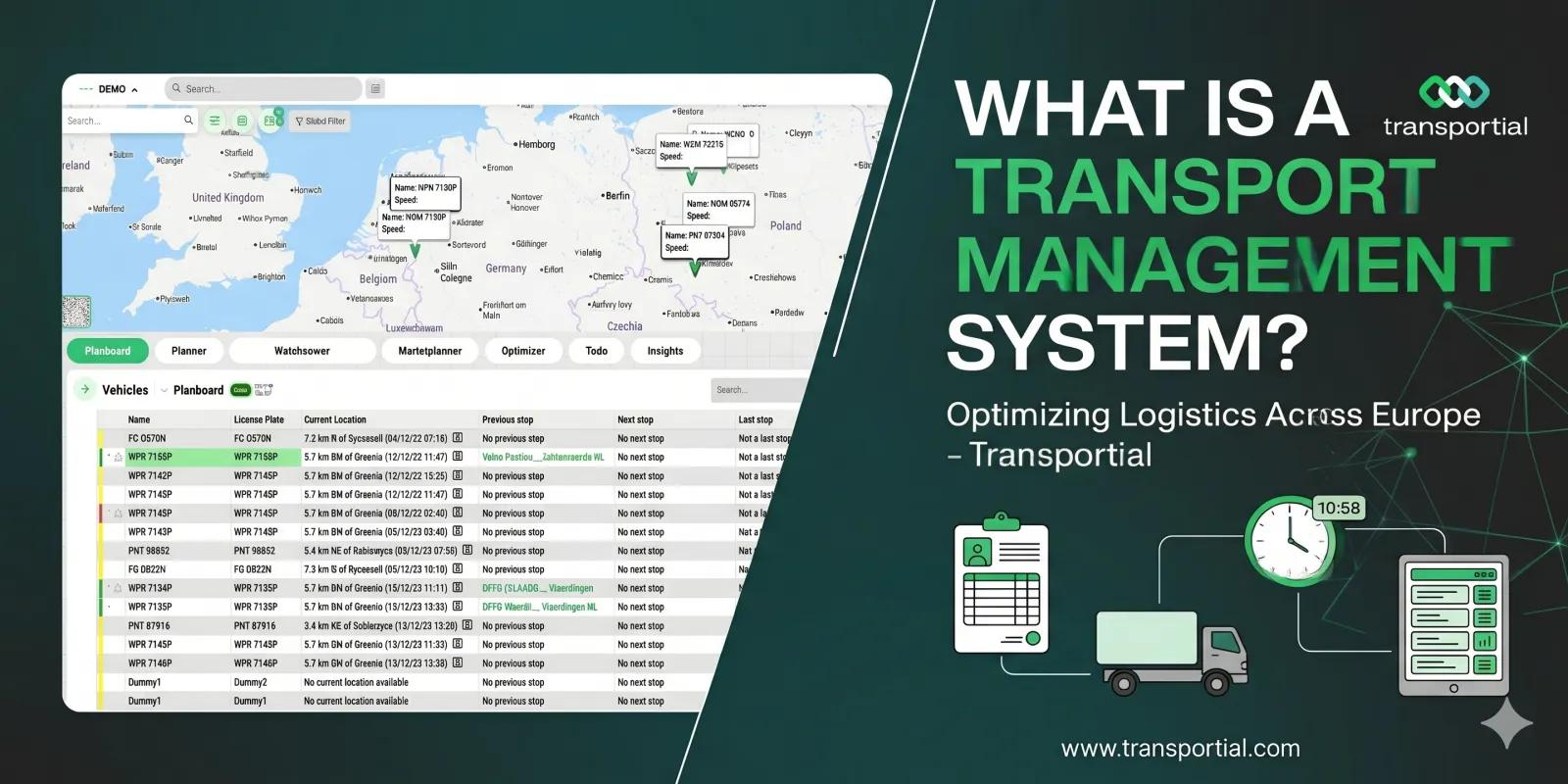
In today's digital era, sensors are the most important tools for achieving unparalleled insight and control over supply chain operations. Imagine being able to look at your fleet as if you were in each vehicle, monitoring every crucial parameter in real-time. This is the transformative power of sensor-based logistics.
Understanding Sensor-Based Logistics
Sensor-based logistics involves using various sensors (such as GPS, temperature, pressure, humidity, and motion sensors) to collect real-time data and monitor the movement, condition, and location of goods throughout the logistics process. These sensors are embedded in vehicles, containers, and storage facilities, transmitting data to a central system for analysis.
Benefits of Sensor-Based Logistics
1. Enhanced Visibility and Real-Time Monitoring
Sensors provide real-time visibility into the location and condition of goods. GPS sensors allow for precise tracking of vehicle locations, enabling fleet managers to monitor routes and ensure timely deliveries. Temperature and humidity sensors ensure that perishable goods are transported under optimal conditions.
2. Improved Operational Efficiency
By leveraging sensor data, businesses can automate various aspects of fleet monitoring, reducing manual labor and minimizing errors. RFID sensors streamline inventory management by providing real-time updates on stock levels, while motion sensors monitor the handling of goods.
3. Predictive Maintenance
Sensors play a crucial role in predictive maintenance by continuously monitoring vehicle health parameters such as engine temperature, fuel levels, and tyre pressure. This data allows fleet managers to schedule maintenance before issues escalate, reducing downtime and maintenance costs.
4. Enhanced Driver Management
Sensor data provides insights into driver behavior, such as average speed and braking patterns. This information can be used to improve driver performance through targeted training and coaching, enhancing overall fleet safety.
5. Route Optimization
With real-time data from GPS sensors, fleet managers can optimize routes to avoid traffic congestion and reduce fuel consumption. This not only improves delivery times but also lowers operational costs and enhances customer satisfaction.
6. Risk Mitigation
Sensors help in mitigating risks by detecting and alerting stakeholders about deviations or anomalies in the supply chain. Pressure sensors can detect leaks in packaging, while motion sensors can identify mishandling during transportation.
Sensor-based logistics is revolutionizing fleet monitoring by providing real-time data and insights that enhance operational efficiency, safety, and cost-effectiveness. Visit transportial.com to learn more about our advanced solutions.