For a freight forwarder, a TMS is the control tower over carriers it does not own: one record per shipment across road, sea, air and rail, legs tendered to carriers, documents generated from the order and customers updated automatically. Transportial combines these in one platform with a customer portal and tracking links.
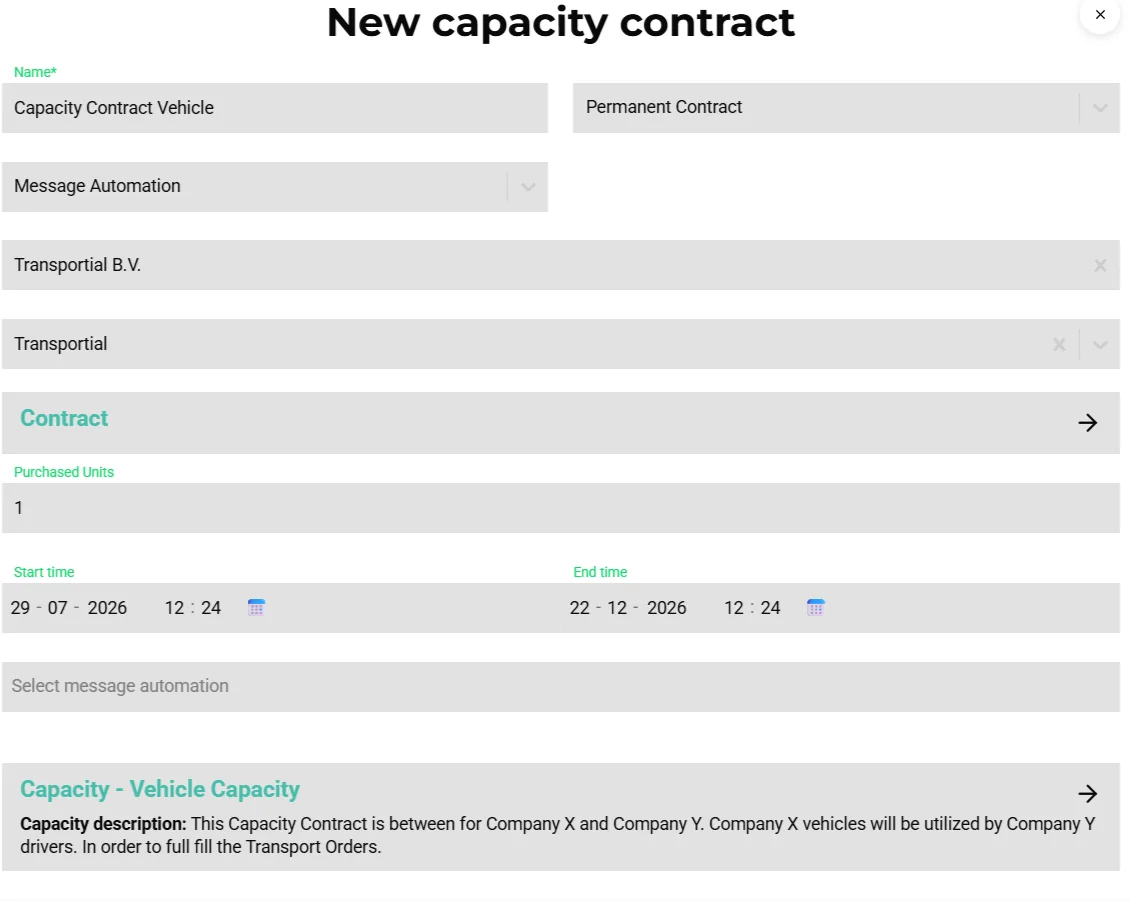
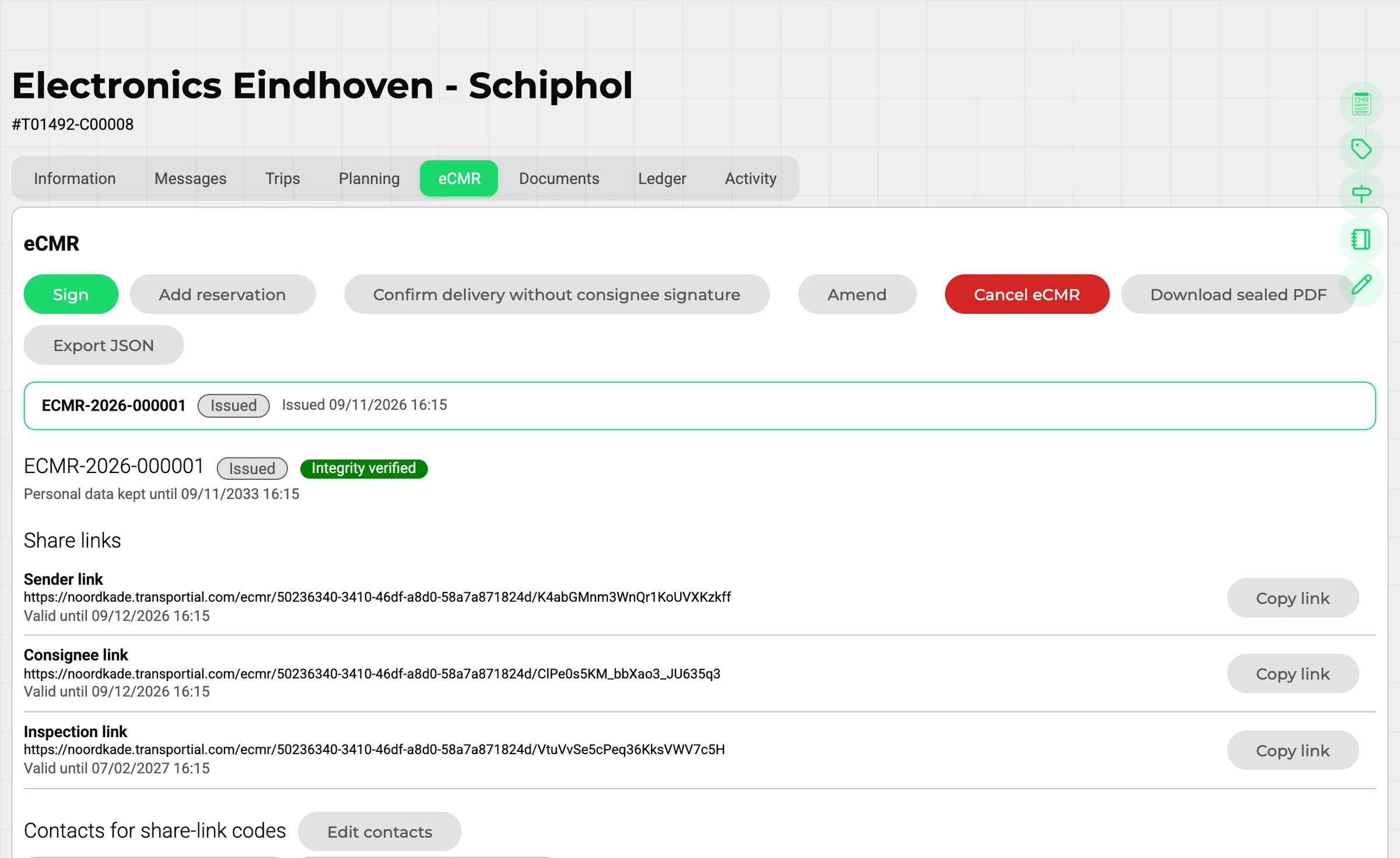
A forwarder's margin disappears in coordination: emails to carriers, status calls from customers, documents rebuilt in several systems and carrier invoices checked by hand. Transportial gives a freight forwarder one transport order per shipment with as many legs as the route needs, by road, sea, air or rail. Legs can be posted as freight tenders to carriers, bids come back inside the platform, and inbound carrier invoices sit next to the outbound customer invoices for the same order. CMRs, bills of lading, packing lists and customs documents are generated from the order data and stay linked to it. Message automations send email, SMS, WhatsApp or Telegram updates on more than 75 operational events, and the branded customer portal shows live status and documents. Integrations via REST API, EDI, FTP and webhooks connect carrier systems and customer ERPs, and OTM5 support lets partners exchange orders without custom mappings.
How does a freight forwarder keep customers informed without status calls?
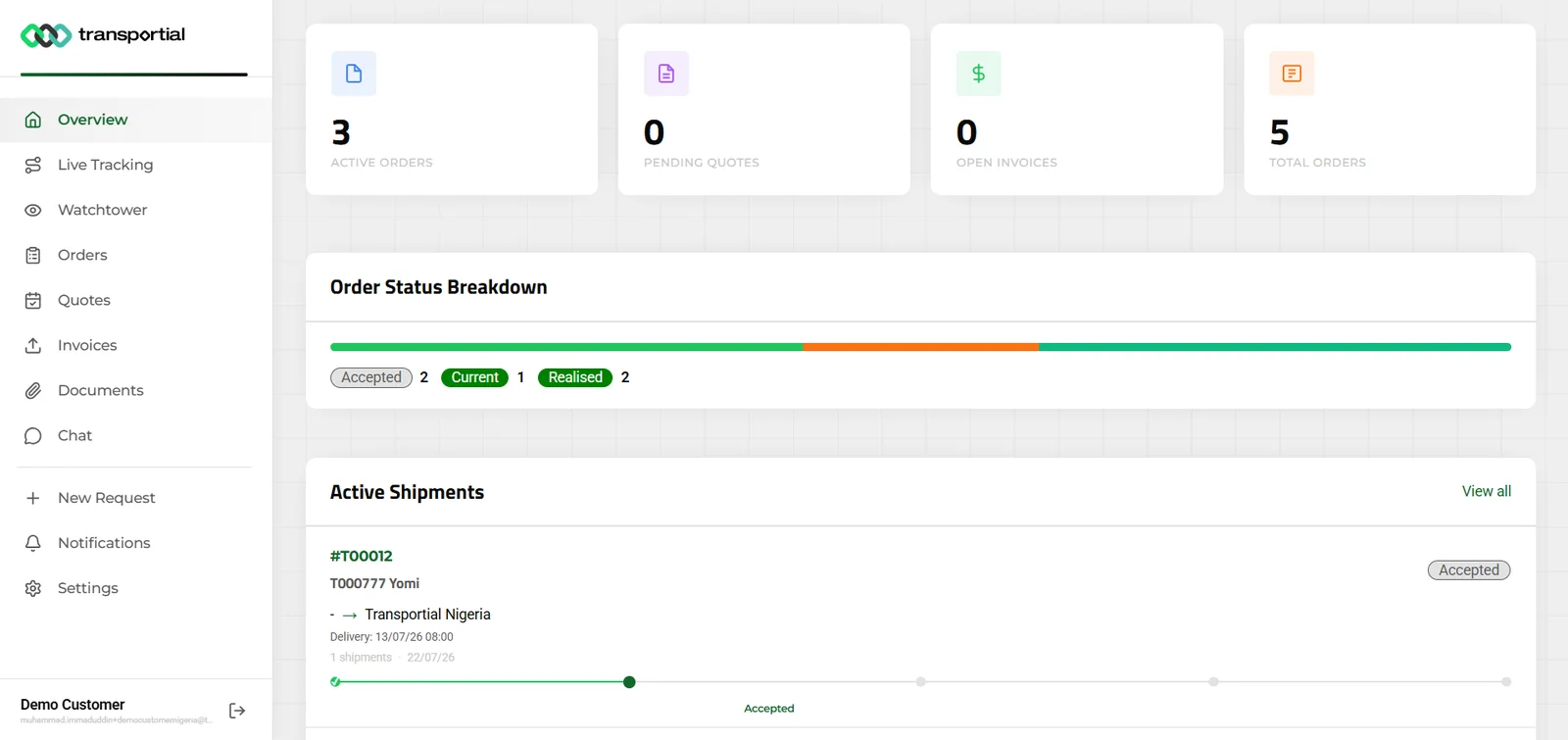
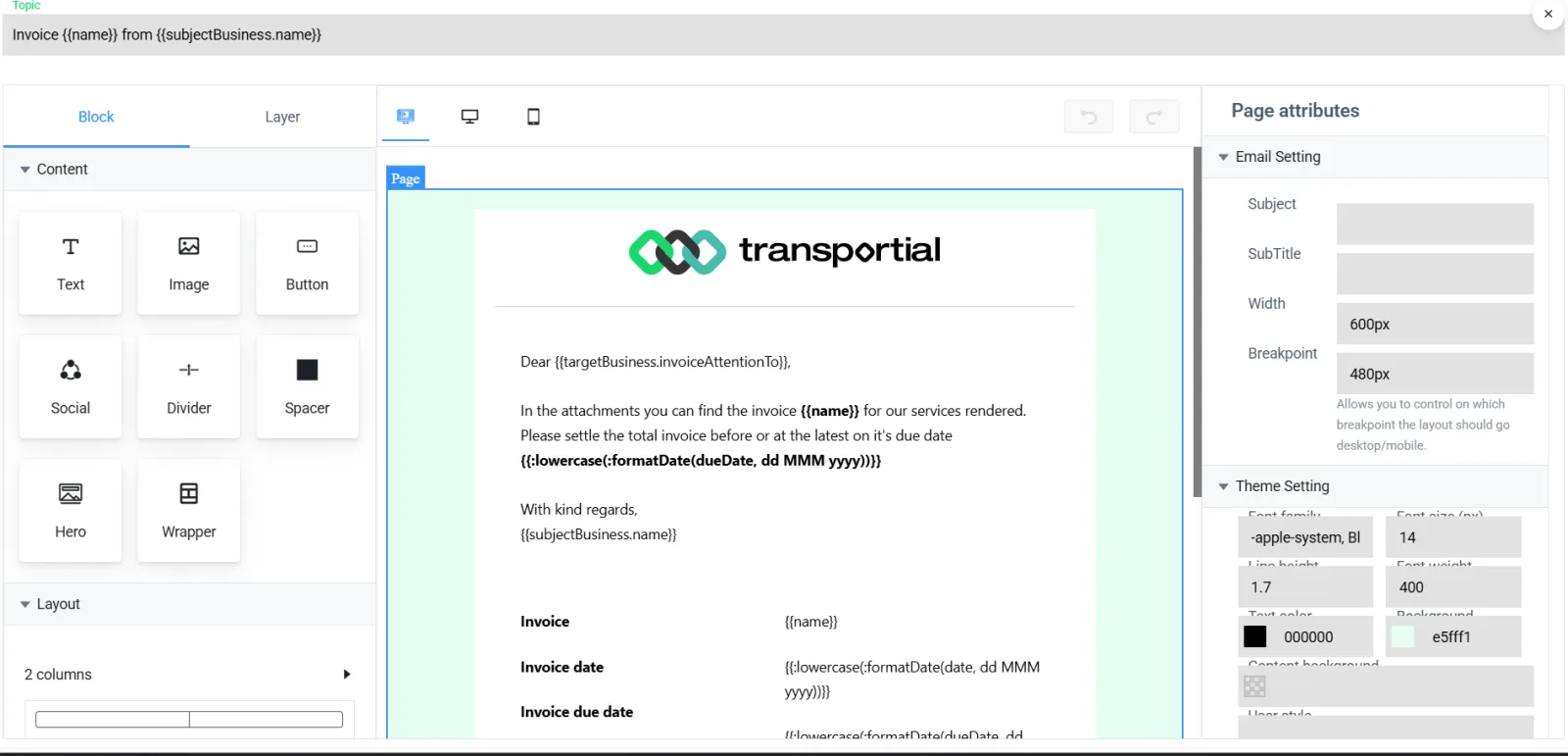
By letting the system send the updates. In Transportial, message automations notify customers by email, SMS, WhatsApp or Telegram when a shipment is picked up, delayed or delivered, and every customer gets a tracking link or portal access with live status and documents, so the forwarding desk stops answering where-is-my-shipment calls.
Transportial's message automation engine watches the operation in real time and sends a message whenever a defined event occurs, from trip confirmed and stop completed to delivery confirmed, invoice created or a temperature alert. More than 75 trigger events are available, and each automation sets the channel (email, SMS, WhatsApp or Telegram), the recipient and the template, so a freight forwarder can give one key account a WhatsApp update at every stop and another a single daily email. Customers who prefer to look for themselves receive a public tracking link that needs no account, or a scoped login to the customer portal, where they follow shipments, download documents, submit new transport orders and accept quotes. Because every message is triggered by the same events that drive planning and invoicing, the information customers see is the information the forwarder works with, not a copy that someone has to keep up to date by hand.